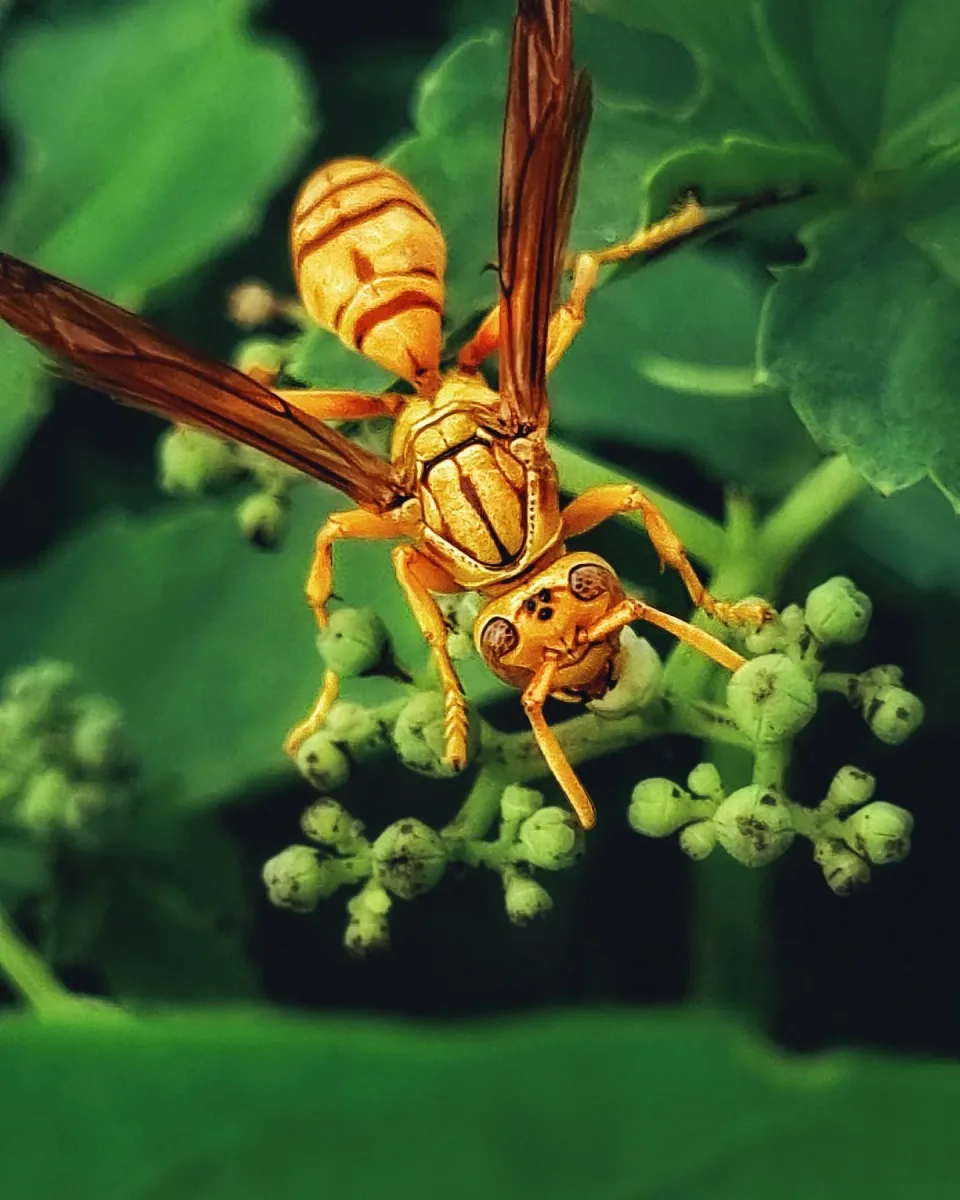
Can You Safely Remove Wasps Nesting in Siding Gaps?
Wasps entering through siding gaps can be nesting inside a wall, out of reach and hard to assess from outside. If you see steady traffic at a narrow opening, don’t spray or seal it yourself; keep people away and arrange an inspection. A nest disturbed in a wall cavity may send wasps toward the opening or into the home through an interior gap.
Freeze-thaw cycles can open seams around siding, so a small-looking crack may connect to a larger concealed space. Around the Idaho State Capitol, the same practical rule applies: locate the activity before choosing a treatment.
If your first thought is “nip it in the bud,” act by limiting access, not by blocking the hole. Ask the technician to explain where wasps are traveling and what treatment and follow-up are appropriate.
Why can siding gaps hide a wasp nest?
Wasps flying in and out of a siding seam may be using the opening as a route into a wall void. The visible gap does not show the nest’s size, location, or whether insects can reach the interior. That uncertainty is the main DIY problem: spraying the outside may not reach the colony, while plugging the opening can leave active wasps searching for another exit.
Low summer humidity can dry exposed wood and nesting materials. That is useful context, not a reason to pry apart siding or disturb a suspected nest. From homes near Bogus Basin to properties farther south, we inspect the flight path and siding before recommending a method. The right response depends on what the activity shows, not just the hole you can see.
When should you avoid DIY nest removal?
If wasps are repeatedly using a wall opening, or you cannot see the nest and its access route, leave removal to a trained technician. Don’t climb a ladder, force a nozzle into the seam, or apply a household product into an unknown cavity. Those steps can expose you to stings without confirming that the nest has been treated.
A homeowner can safely observe from indoors or a protected distance and note where the insects enter. That information helps us inspect efficiently.
Near Bruneau Dunes State Park, as in other parts of Idaho, dry conditions do not make concealed nests easier to reach. We identify the activity, explain the proposed treatment, and consider how to address the entry point after treatment rather than sealing an active route prematurely.
What does a professional check before treatment?
We look for repeated flight traffic, the exact siding seam, nearby openings, and signs that wasps are entering a wall cavity. We also ask whether anyone has seen insects indoors; that can change how we assess access and risk. At homes around Hells Gate State Park, a clear view of the exterior approach helps distinguish a confirmed entry route from wasps merely passing nearby.
Our Idaho-licensed pesticide applicators select products and application methods according to the site and product directions. We explain the plan before work begins, including any precautions for occupants and the product-specific re-entry instructions.
A treatment is not a guess based on a can of spray. It starts with identifying the activity and locating the likely harborage.
How do you choose DIY or professional help?
DIY observation is reasonable; DIY treatment is not a good choice when the nest appears to be inside siding, the opening is high or inaccessible, or wasps react defensively. Keep clear of the area and record the entry point from a safe distance. Don’t block it or direct spray into it.
For an exposed, easily identified insect with no nearby nest, a homeowner may be able to avoid the area and monitor whether activity continues. But persistent traffic into a wall calls for an inspection.
We have served Idaho for more than nine years, and our field approach is to confirm the pest, protect the property, and explain the next step plainly. If you’re also sorting out another household pest concern, our Idaho pest control blog offers practical guidance; for siding activity, start with a wasp nest inspection and treatment.
Which Wasp Nest Treatment Option Fits Siding Gaps?
When wasps are entering a wall, the right option depends on whether activity is confirmed and where the entry route leads; a general perimeter spray is not a substitute for locating a nest.
| Option | Best for | Key detail |
|---|---|---|
| Stinging insect nest treatment | Confirmed wasp activity at a siding opening | Inspection identifies the route and treatment target before work. |
| Exterior perimeter treatment | Specific exterior pest pressure where appropriate | Application depends on product label directions; it may not reach a wall nest. |
| One-time pest treatment | A current, identified problem | Targets present activity; ask whether inspection or follow-up is included. |
| Recurring general pest protection | Ongoing monitoring for multiple pest concerns | One-time service addresses current activity; recurring service monitors reinfestation. |
Hot, dry summers can lead pests to seek water indoors, so a wasp sighting near irrigation may not prove a nest is in the wall. Landscaped yards can create localized damp spots that affect where pests gather.
If you visit the Idaho Falls River Walk or the Idaho Museum of Natural History, remember that those place names don’t determine a home’s treatment; the inspection does. Ask what was observed and how the proposed option addresses it.
How Do You Prepare for Wasps Entering Through Siding Gaps?
A few observations can make a siding inspection more useful, but don’t approach the opening to collect them. Cold-weather rodent activity is a separate issue; for a wasp visit, focus on safe access and clear information.
-
Note the entry point: From a safe distance, record which siding seam wasps use and whether traffic continues.
-
Keep people and pets back: Restrict access to the wall and nearby work area before the technician arrives.
-
Share useful observations: Tell us when activity began and whether you have seen wasps indoors; this helps focus inspection.
-
Arrange access: Clear stored items only where needed for safe access, and share any building access codes securely.
-
Follow treatment instructions: Observe the product-specific re-entry directions and ask when the treated area can be used again.
Snow cover can conceal exterior openings, so mention any spot that becomes visible as conditions change. Whether your home is near Coeur d’Alene Resort or farther inland, don’t probe a covered gap yourself. A technician can assess it safely.
Ready to Get Help With Wasps in Siding Gaps?
Wasps repeatedly disappearing into a siding seam are a reason to stop DIY removal and get the entry route assessed. Keep clear of the opening and ask for an inspection before anyone sprays or seals it. In mountain elevations, longer winters and shorter pest-active seasons can affect when activity is noticed, but a visible nest route still deserves a site-specific assessment.
If you’re near Craters of the Moon National Monument or Fort Hall Replica, the same practical approach applies: describe the location and observed traffic rather than guessing at the nest. Our crew identifies activity, explains the treatment plan, and handles the property with care. Contact Idaho Pest Solutions to discuss a wasp inspection and next steps.