What Do Attic Scratches Tell You About Mice or Rats?
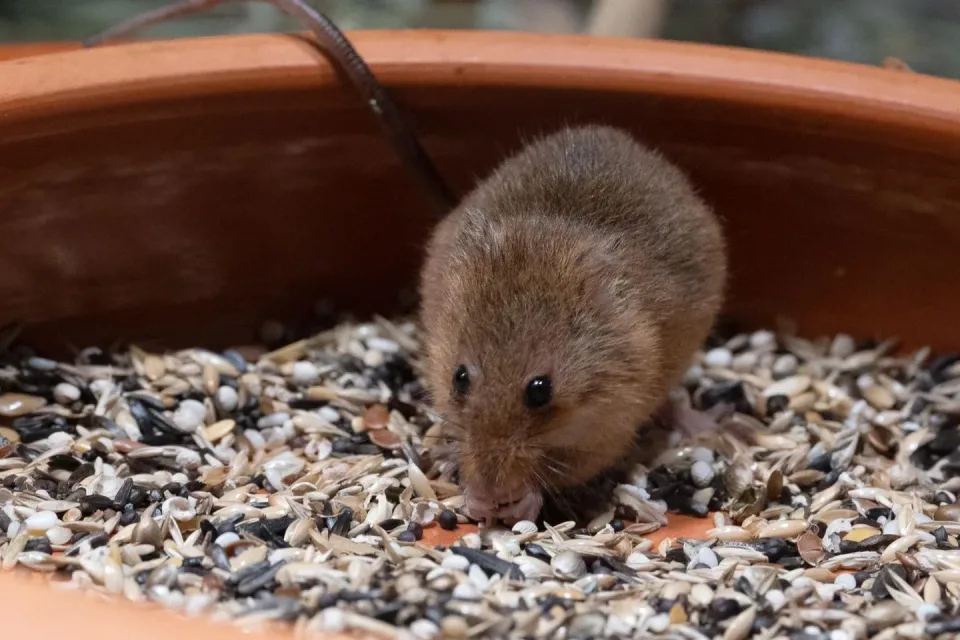
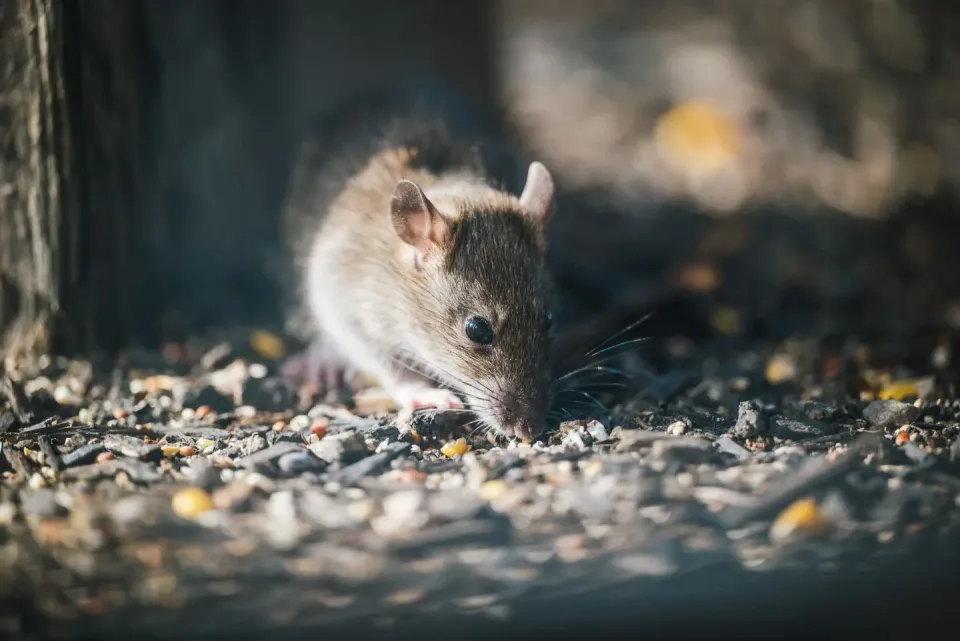
Scratching overhead can point to mice or rats, but sound alone cannot reliably tell you which rodent is present. Look for droppings, nesting material, gnaw marks, and the paths rodents use before choosing a response.
The Idaho Museum of Natural History is a useful reminder that wildlife identification depends on observable characteristics; at home, compare several signs rather than guessing from one noise. If construction is underway, tell the contractor and pest professional promptly so the inspection and any treatment can be coordinated with the work.
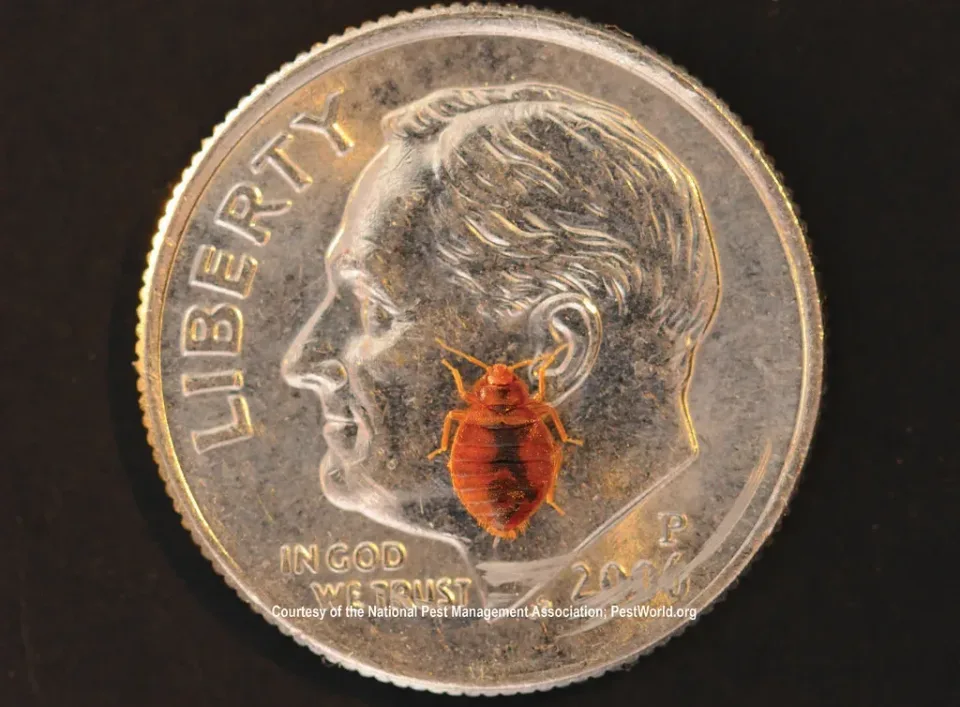
A delay may hold up access to the attic or closing up a wall. A separate request for a bed bug heat-treatment inspection needs its own inspection and quote; it is not the same job as checking for attic rodents. We inspect the evidence, explain the plan, and help you decide what to do next.
What Signs Help Identify Attic Mice or Rats?
Scratching sounds come from the attic, but the sound itself is not a dependable species test. Check for droppings, gnawing, nesting debris, and repeated travel paths; avoid handling droppings or disturbing a nest before an inspection.
A small flashlight and phone photos from a safe access point can document what you see. Stay off ceiling joists if you cannot move safely, and do not enter an attic with exposed wiring or unstable flooring.
Our field inspections start with evidence, not assumptions. We look for activity and possible entry points, then explain whether trapping, exclusion, or monitoring fits the signs.
The University of Idaho can be a helpful source for broader educational information, but a home-specific inspection is needed to connect evidence to a particular structure. Do not seal a suspected opening before checking whether rodents remain inside.
Could Idaho Winter Conditions Bring Rodents Indoors?
Cold winters bring prolonged freezing temperatures across much of Idaho, and rodents may seek shelter in a warm attic when outdoor conditions turn harsh. That does not prove the animal is a rat or a mouse; it does explain why a previously quiet space can become active when temperatures drop. Look for fresh evidence and changes over time, rather than treating one nighttime sound as a diagnosis.
Autumn temperature drops can also drive insects indoors, so not every faint attic noise points to a rodent. At the Idaho State Capitol, historic buildings illustrate how varied Idaho structures can be; at home, age, repairs, and roof or utility penetrations affect where signs appear.
We check the building itself and the evidence before recommending work. One missed route can leave activity continuing after a trap is set.
When Should You Call a Rodent Professional?
If you can safely photograph droppings or gnaw marks and the activity is limited, documenting the clues is a reasonable first step. Call a professional when scratching continues, evidence appears in several areas, access is unsafe, or you cannot determine whether the issue is mice or rats. Do not reach into a wall void or attic insulation to investigate.
For Idaho homeowners near the Boise Depot, as elsewhere in the state, older buildings and newer homes alike can have concealed access routes that are difficult to assess from inside. We inspect likely travel paths, identify potential entry points, and discuss trapping and exclusion options.
Our crew has served Idaho for more than nine years, and our Idaho-licensed pesticide applicators explain treatment recommendations plainly. Read our guide to attic scratching and rodent identification for a reminder of what to document before an appointment.
What Does a Reliable Rodent Plan Include?
A useful plan connects the evidence to a specific action: trap placement, sealing an entry point when appropriate, and follow-up to check for continued activity. A trap without an inspection can miss a route, while sealing too early can leave an animal inside. We explain what we found and what each recommended step is meant to address.
At the Ford Idaho Center, event spaces show how buildings can serve different needs; in a home, the attic, garage, and crawlspace also require different access and inspection considerations. Tell us where and when you hear the sound, whether it repeats, and where you found visible evidence.
That gives the technician a better starting point. For related Idaho pest guidance, browse the Idaho Pest Solutions Blog.
Which Attic Rodent Response Fits the Evidence?
Choose an approach according to what the inspection finds: isolated activity may call for targeted trapping, while signs of repeated access may require exclusion as well.
| Option | Best for | Key detail |
|---|---|---|
| Rodent inspection | Unclear attic noises | Compare several signs before selecting a response. |
| Snap traps | Confirmed rodent activity | Placement should follow observed travel paths. |
| Bait stations | Managed rodent activity | Inspect regularly for signs of activity. |
| Rodent exclusion and trapping | Activity tied to an access route | Check openings and repair needs; mouse gaps can be about 1/4 inch and rat gaps about 1/2 inch. |
The Old Idaho Penitentiary is a reminder that structures can have very different layouts; an attic plan should reflect the actual building, not a generic checklist. In southern Idaho valleys, seasonal rainfall is generally lower, but that does not rule out indoor rodent activity or remove the need to inspect entry points. If you travel on US Highway 95 between communities, keep notes or photos of the evidence for your appointment rather than disturbing it.
How to Prepare for an Attic Rodent Inspection
A few details help us inspect efficiently and choose a suitable next step. Tell us where the sound occurs and whether you have seen droppings, gnaw marks, or nesting material. Keep it simple.
The Boise River Greenbelt is a familiar local route, but rain and wind can affect outdoor plans; if thunderstorms bring localized heavy rain and strong winds, let us know if exterior inspection access is limited.
-
Record activity: Note the room below the sound, time of day, and whether it repeats.
-
Photograph evidence: Take pictures from a safe position; do not handle droppings or disturb nests.
-
Secure pets: Keep animals away from the attic access and any planned inspection area.
-
Clear access: Move stored items from the attic entrance and provide garage or crawlspace access if requested.
-
Share access details: Send building access codes securely before the appointment.
-
Follow the plan: Ask what areas need preparation and follow product-specific re-entry instructions if treatment is recommended.
Get a Clear Next Step for Attic Scratching
Repeated scratching deserves a closer look, especially when you find droppings, gnaw marks, or nesting debris. Compare several clues rather than deciding from sound alone, and avoid sealing an opening before the inspection confirms what is happening.
Freeze-thaw cycles can open gaps around foundations and siding, so include the exterior in a careful access-point check. Near Bruneau Dunes State Park or elsewhere in Idaho, the same practical rule applies: connect visible evidence to a safe plan.
We can inspect, explain trapping or exclusion options, and discuss follow-up. Contact Idaho Pest Solutions at (877) 729-2528 or ask about Mouse Extermination for a clear next step.